
A facade profile, a shelving system and a mesh fence panel do not need the same powder.
+20%
production output
Welded-mesh fencing panels
+10%
production output
Tyre-storage racks
−10%
coating price
Household metal products
−1
production operation
Aluminium radiators
Facade panels, architectural profiles, window systems, exterior metalwork and other large visible components.
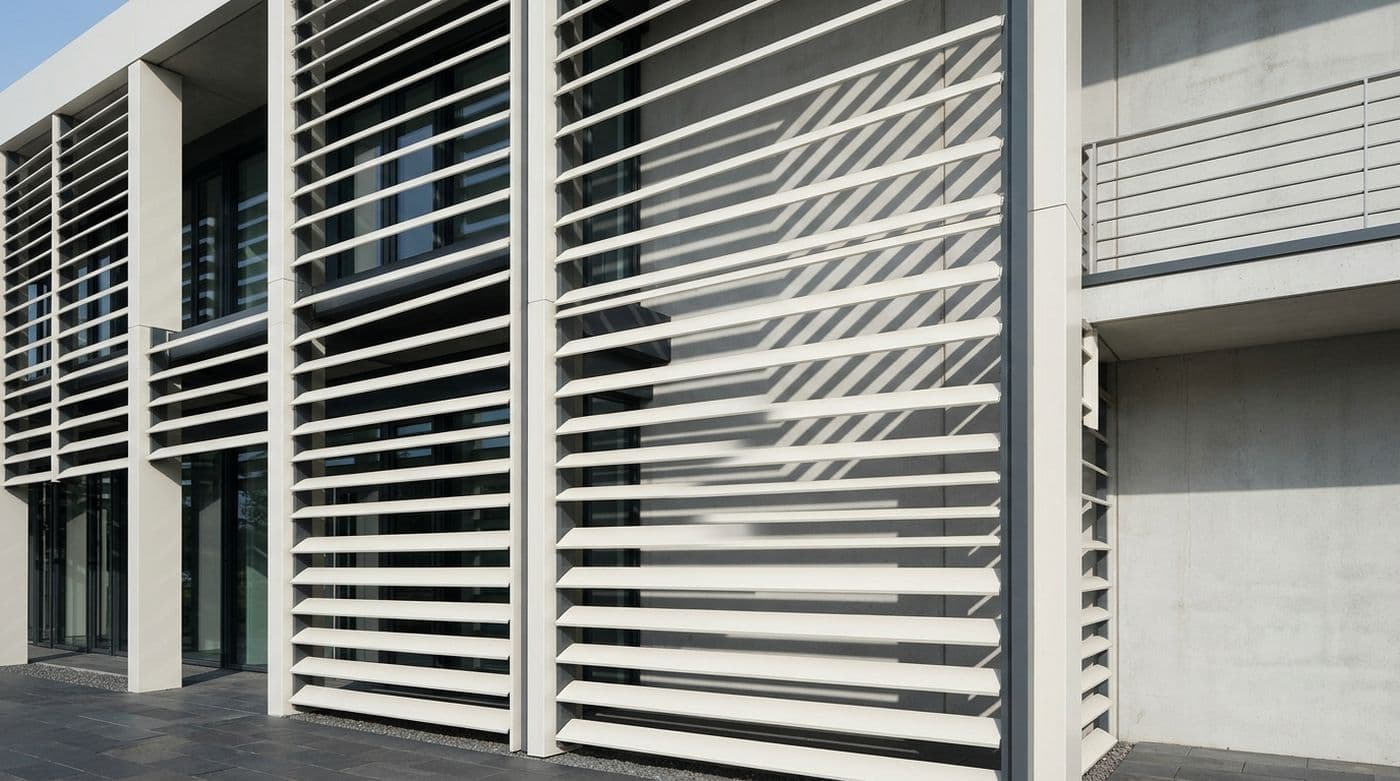
Architectural coatings need to combine exterior durability and the required technical documentation with:
Case Study
Problem
A facade-panel manufacturer was using a dry-blend metallic powder coating. During a production shift, the colour of the coated panels changed and visible stripes appeared on the facade cassettes.
Technical cause
In a dry-blend metallic coating, the metallic-effect particles are physically mixed with the base powder but are not bonded to it.
The components can separate during handling and application. They can also receive different electrostatic charges and follow different trajectories towards the part. On large visible surfaces, this can lead to uneven metallic distribution, colour variation, spotting and striping.
What Intercoat changed
Intercoat reproduced the required shade as a bonded metallic formulation.
During the bonding process, the metallic-effect particles were attached to the powder particles, helping to maintain a more consistent distribution during electrostatic application.
Result
The bonded formulation reproduced the required shade and resolved the colour variation and striping observed with the previous dry-blend metallic coating.
Aluminium and steel radiators, expansion vessels and other metal products used in heating and water-supply systems.
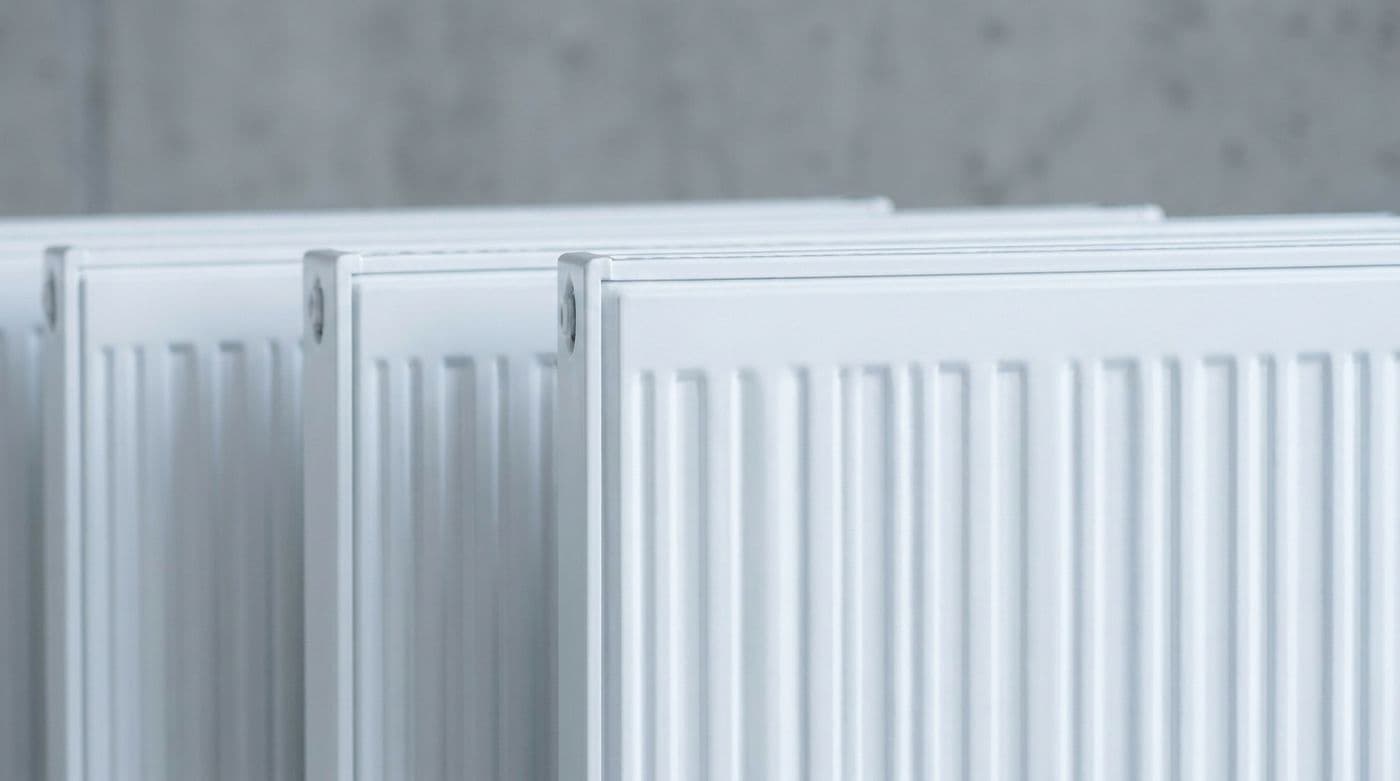
These products may require:
Case Studies
One production operation removed
Problem
A manufacturer produces heating radiators from secondary aluminium.
To reduce surface defects caused by outgassing, the company used an additional pre-heating operation before powder coating. Without this stage, gas released from the aluminium during curing created bubbles, pinholes and other visible defects.
Technical cause
Secondary aluminium can contain pores and inclusions that release gas as the metal heats up.
If the gas reaches the surface while the powder coating is melting and curing, it can disrupt the coating film and create visible defects.
What Intercoat changed
Intercoat developed an anti-gassing formulation for the customer’s substrate and actual curing conditions.
The revised formulation allowed the radiators to be coated without the separate pre-heating operation while maintaining the required surface quality.
Result
The manufacturer removed one complete stage from the coating process.
This:
Problem
Another manufacturer produces expansion vessels for heating and water-supply systems.
Under the available oven conditions, the large metal parts did not reach the temperature required for complete cure. As a result, coating adhesion was insufficient and the production line could not reach its target output.
Technical cause
Oven-air temperature and actual part temperature are not the same.
Parts with high thermal mass heat up more slowly and may spend less effective time at the required metal temperature than the nominal oven settings suggest.
What Intercoat changed
Intercoat developed a lower-temperature-curing formulation using:
Result
The revised formulation achieved the required cure and adhesion under the existing oven conditions.
Adhesion returned to the required level and the line was able to return to its target production rate.
Retail shelving, warehouse racking, home-storage systems, display equipment and tyre-storage racks.
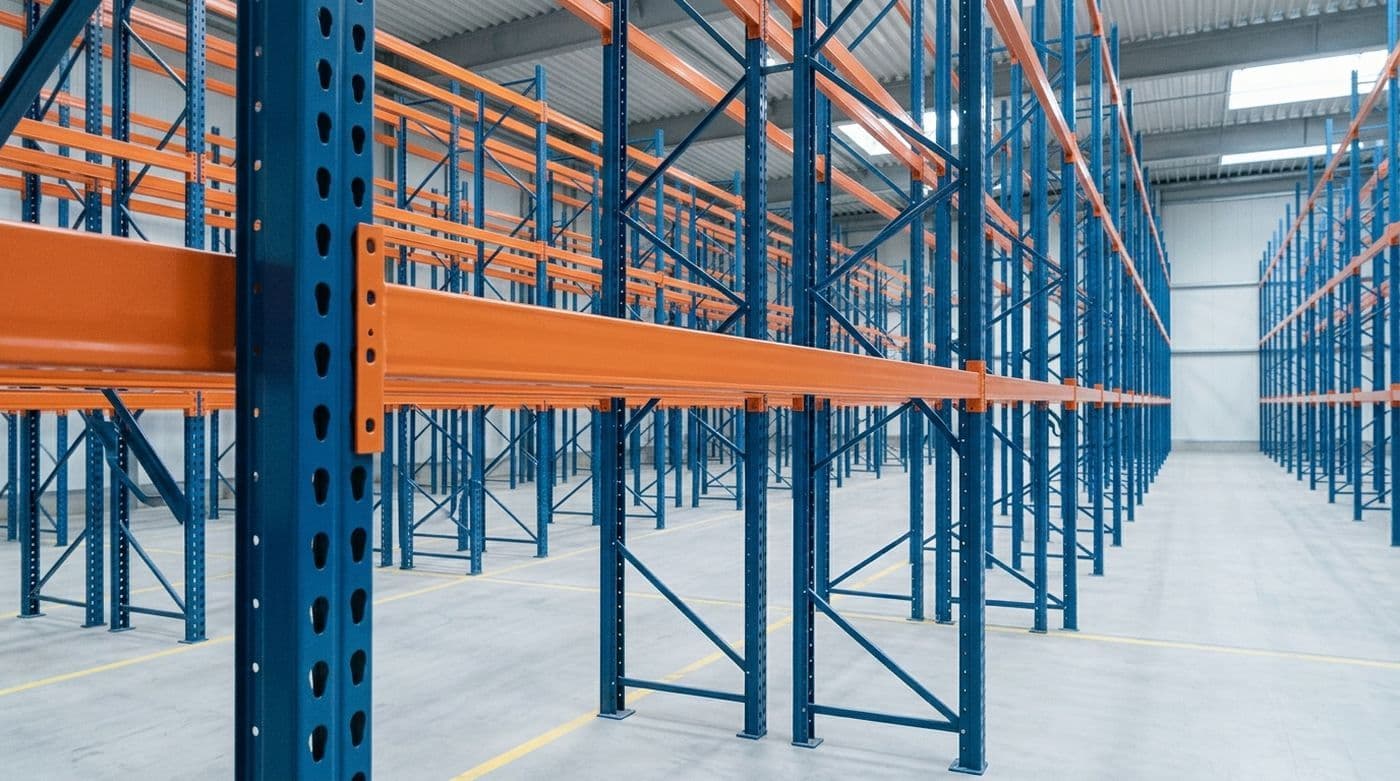
Depending on the product and production process, the coating may need to provide:
Case Studies
+10% production output
Product
Tyre-storage racks with recessed corners, internal profiles and other areas that are difficult to coat on an automatic line.
Problem
Some recessed sections received insufficient powder during automatic application and required corrective manual touch-up.
This additional operation reduced production efficiency.
Technical cause
The internal profiles and corners were affected by the Faraday cage effect.
During electrostatic application, powder is attracted towards the nearest exposed surfaces, while deep corners, narrow gaps and recessed profiles receive less material.
What Intercoat changed
Intercoat adjusted:
The formulation was evaluated together with the customer’s application settings.
Result
The revised coating improved automatic coverage in recessed areas, reduced the need for corrective manual application and increased production output by 10%.
Problem
A shelving manufacturer needed to stack coated components shortly after they left the oven.
During part-to-part contact, the surfaces could drag against each other, leaving scratches and visible marks.
Technical cause
Recently cured parts can remain vulnerable to mechanical contact, particularly while they are still warm.
High surface friction increases the force applied to the coating as one component moves across another.
What Intercoat changed
Intercoat adjusted the formulation to provide controlled surface slip during stacking.
The objective was to provide the level of slip required for this specific handling operation rather than to create a universally slippery surface.
Result
The revised surface slip helped reduce scratches and visible contact marks as the parts moved against each other during early stacking.
Problem
During planned production pauses, the oven remains hot while the conveyor slows or stops, causing some parts to remain in the heated zone longer than the standard curing cycle. The extended exposure caused visible yellowing.
At the same time, the finished parts needed a defined level of surface slip for important subsequent handling and packing operations.
Technical cause
The two requirements placed competing demands on the coating formulation.
Changes intended to improve colour stability during extended oven exposure could affect surface friction. Changes made to improve slip could, in turn, influence the coating’s behaviour during overbaking.
What Intercoat changed
Intercoat carried out thermographic measurements to determine the actual temperature exposure.
The formulation was then adjusted to balance:
Result
The final formulation reduced the visible colour change to a level accepted by the customer while retaining sufficient surface slip for the subsequent production operation.
Welded-mesh fencing panels, Gitter-type panels, gates and hot-dip galvanised outdoor systems.
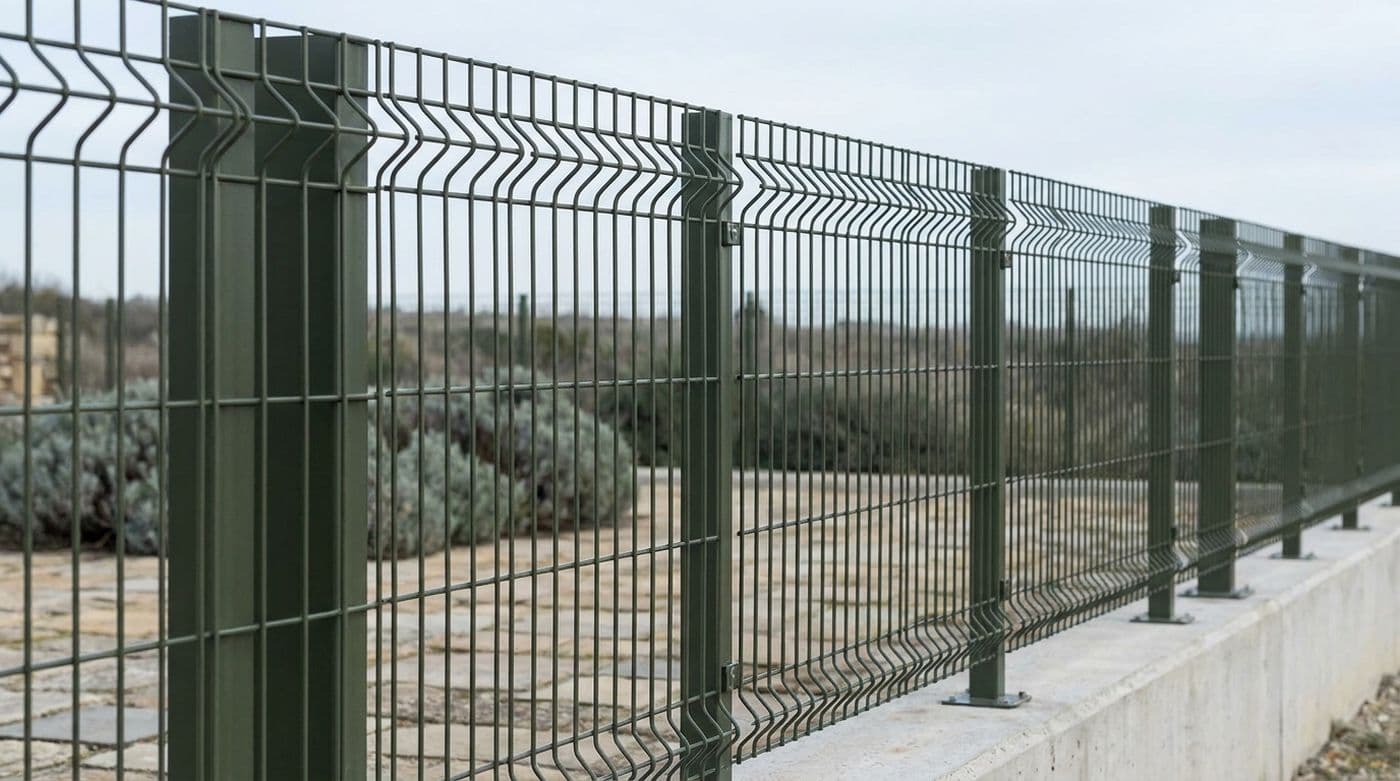
These products may require:
Case Study
+20% improved production output
Product
Welded-mesh fencing panels coated several at a time on one carrier.
Problem
Panels positioned in the centre of a multi-panel load received less powder than the outer panels.
The intersections between the wires also remained difficult to coat evenly. Increasing the number of panels on the carrier therefore created a risk of incomplete coverage and corrective manual work.
Technical cause
The application presented two connected challenges.
Electrostatic penetration: the Faraday cage effect limited powder deposition on the central panels and at recessed wire intersections.
Melt flow: the coating needed to flow around the intersections without creating sags, drips or excessive film build at the lower edge of the panel.
What Intercoat changed
Intercoat adjusted:
The formulation was considered together with the customer’s:
Result
The revised coating and application balance increased production output by 20%.
Metal furniture, cabinets, retail fixtures, display systems, shelving, storage products, coat racks, shoe racks and other visible household metal products.
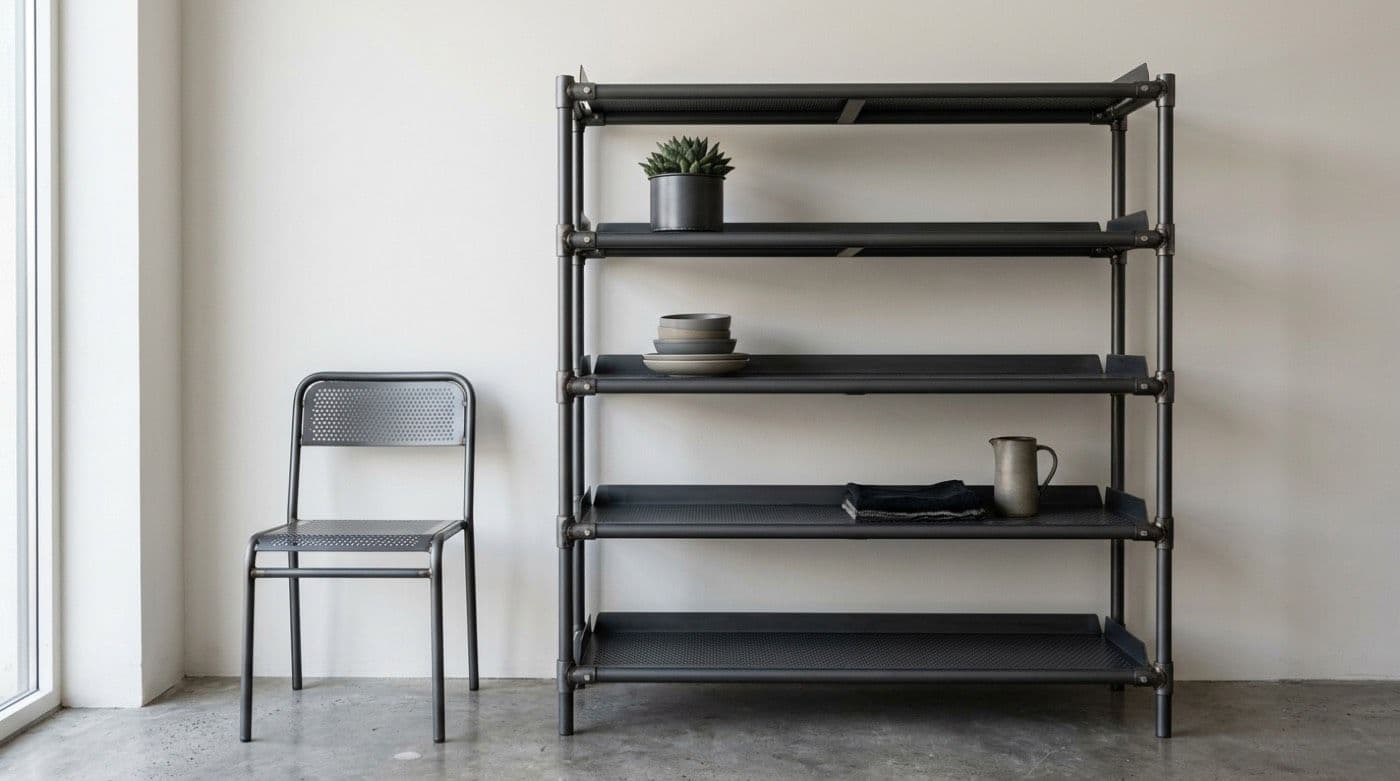
Depending on the application, the coating may need to provide:
Case Study
−10% coating price
Problem
A manufacturer of household metal products needed to reduce the price of the coating without changing the agreed appearance and performance requirements.
What Intercoat changed
Intercoat reviewed the formulation and developed a cost-optimised version for the customer’s products and production conditions.
The objective was not simply to replace the product with a lower-cost coating. The revised formulation still had to meet the agreed requirements for appearance and production performance.
Result
The price of the coating was reduced by 10% while retaining the agreed quality requirements.
Waste containers, metal bins and other large products with high thermal mass.
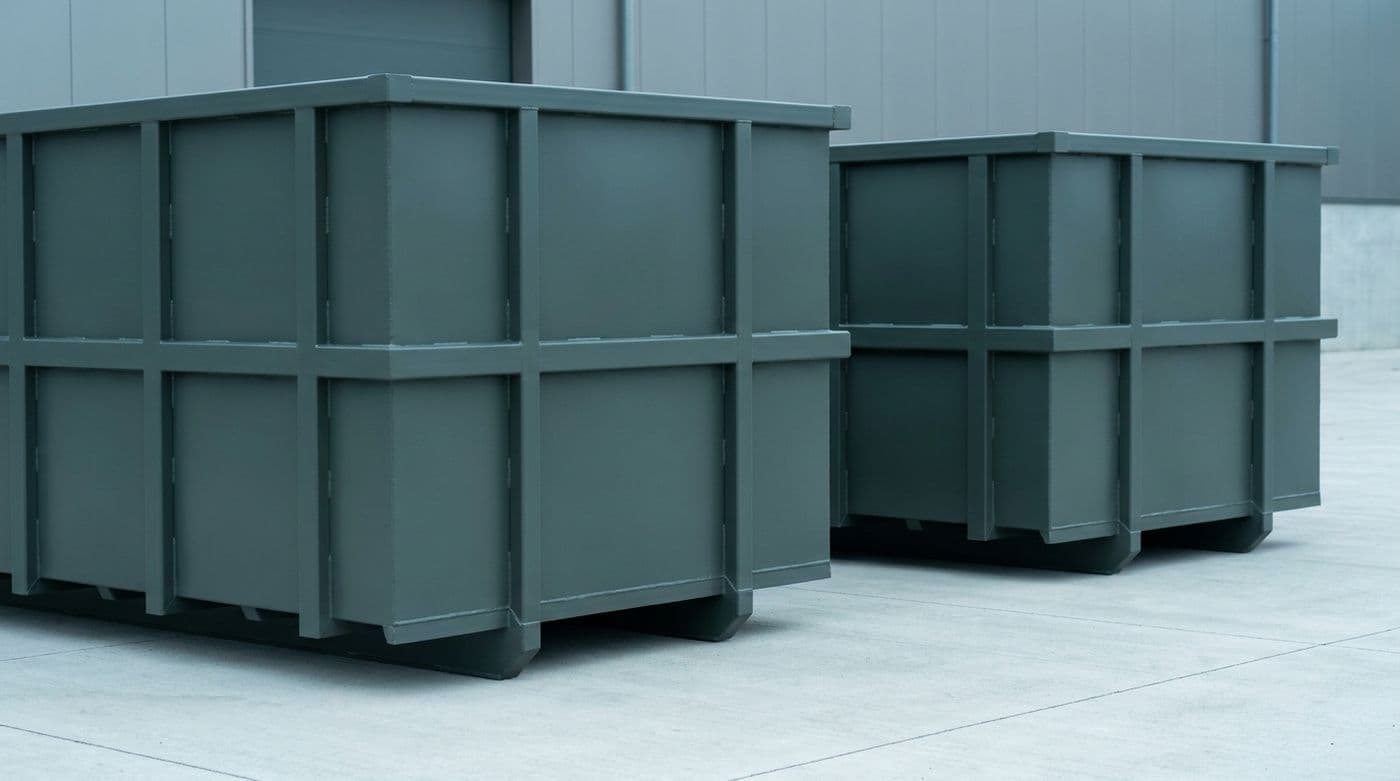
These products may require:
Case Study
Problem
Large metal products can take a long time to reach the required metal temperature.
Even when the oven air reaches its set point, the part may remain below the temperature needed for the coating to cure fully within the available production cycle.
Technical cause
The effective curing conditions depend on:
What Intercoat changes
Intercoat selects or adjusts the formulation using the temperature profile measured on the part rather than relying only on the nominal oven-air temperature.
Application objective
Achieve the required degree of cure and surface performance under the actual production conditions without introducing an unnecessarily long additional heating stage.
Scaffolding components, temporary structures and other outdoor metal products exposed to repeated transport, loading and assembly.
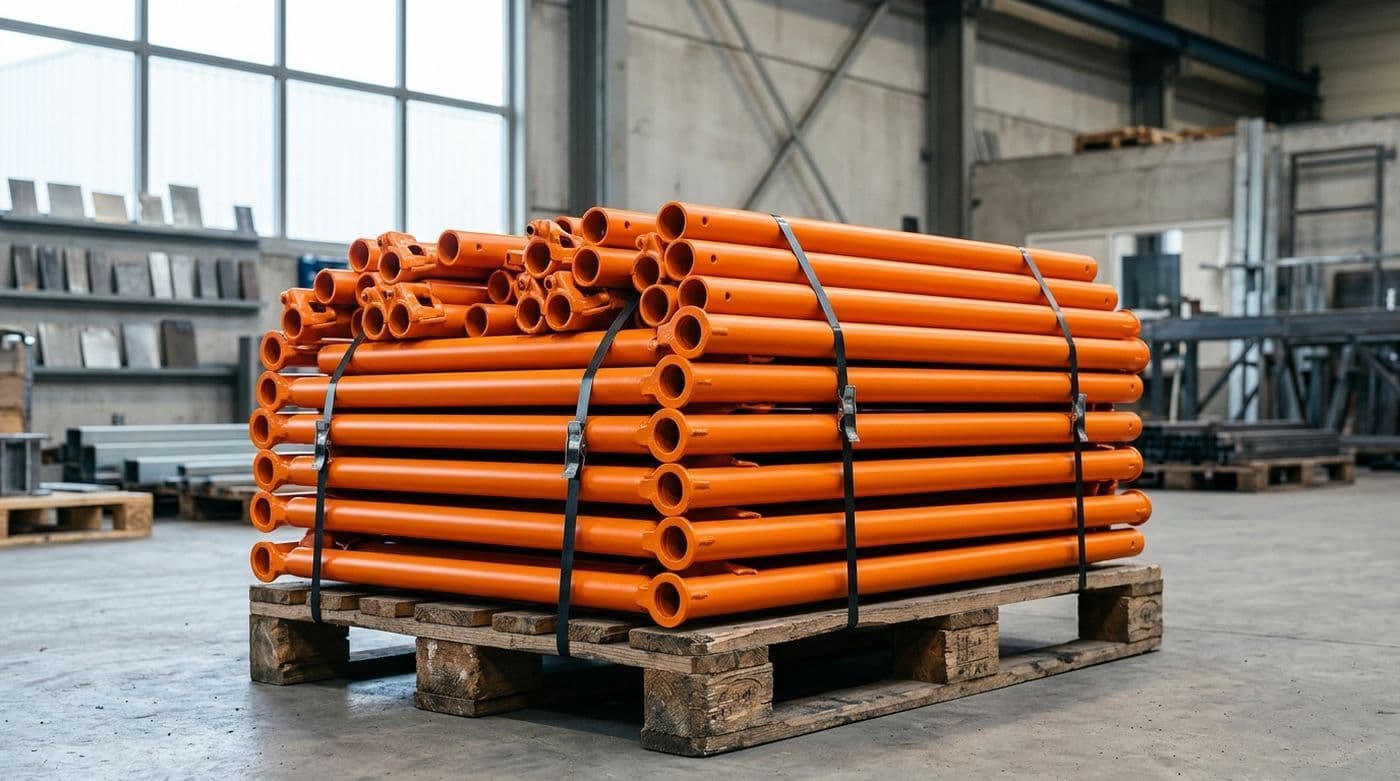
The coating may need to withstand:
Case Study
Problem
Scaffolding components are repeatedly handled and transported before and during use.
During transport, the parts can rub against each other, creating scratches, abrasion and contact marks. At the same time, the coating needs to retain a bright-orange exterior appearance.
What Intercoat addressed
For a Swedish scaffolding application, the coating requirements combined:
Application objective
Retain the required appearance and surface protection throughout transport, outdoor exposure and repeated assembly.
Fire extinguishers and other metal safety products requiring signal colours, batch consistency and clear operating instructions.
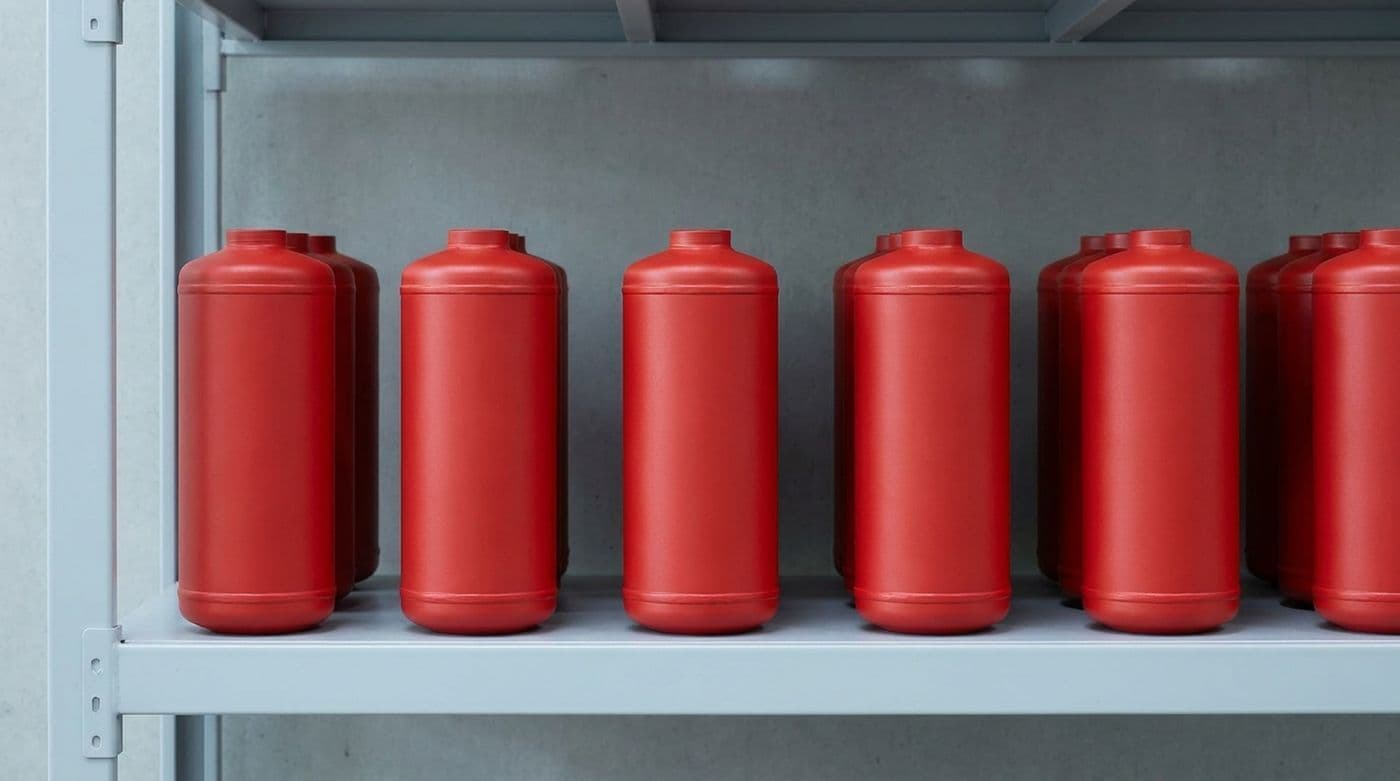
The coating may need to provide:
Case Study
Problem
Dry-film thickness on a production line does not remain identical across every part.
If hiding power is insufficient at the lower end of the specified range, the substrate may show through and create visible shade differences between products in the same batch.
The coated surface also needs to support clear printing of instructions, symbols and identification.
Technical requirements
The formulation needs to balance:
What Intercoat addressed
A coating for fire-extinguisher production was developed around the need to maintain a consistent signal colour and provide a surface suitable for subsequent printing.
Application objective
Maintain reliable hiding and batch colour consistency at the specified film thickness while supporting clear and durable marking.
Track lights, spotlights, lamp housings and other design-sensitive products viewed at close range.
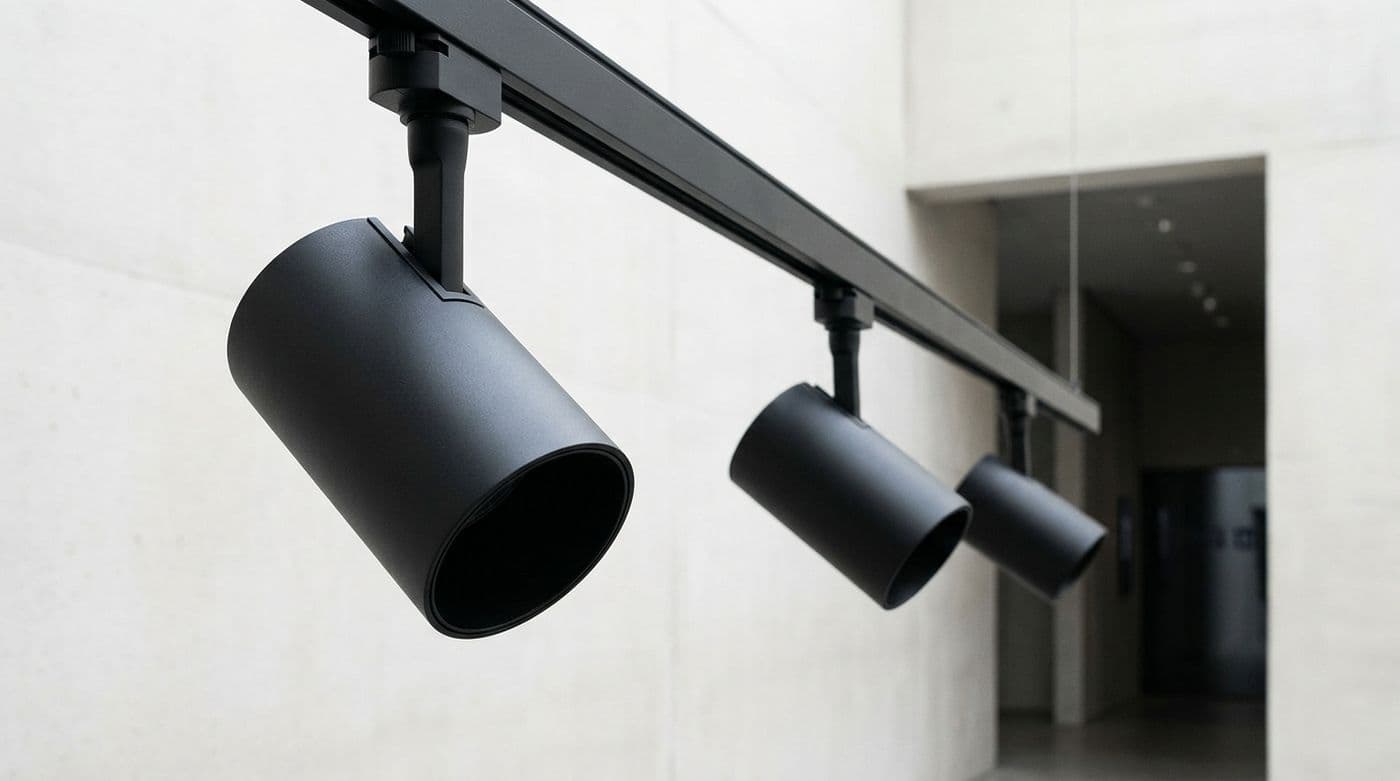
These products may require:
Case Study
Technical context
Powder coatings have a different surface profile from liquid automotive coatings.
Their appearance is influenced by:
Formulation approach
Powder coatings will normally retain some degree of surface texture or orange peel. The formulation task is to control that profile within the practical limits of the selected powder coating technology.
Intercoat adjusts formulation and flow behaviour to provide a smoother and more controlled appearance for the required finish and curing conditions.
Available directions
Available finishes may include:
Tell us what you make, how it is coated and what result you need. Intercoat can help connect your product requirements with suitable coating options and technical documents before a production trial.